

A small bakery opens its doors at dawn. By noon, a faulty oven triggers a kitchen fire. Without a safety net, years of savings could vanish in smoke. That is where business insurance quietly steps in, turning potential disaster into a manageable setback.
Most business owners write a check each month and hope they never need the coverage. Yet pooling those premiums creates something powerful. Thousands of businesses contribute to a shared fund, and when misfortune strikes one member, the reserves are there to rebuild, compensate, or defend.
It is worth noticing what hides between the lines of a policy. Not every scenario qualifies for a payout. Insurers set clear conditions, exclusions, and limits. A claim for flood damage might fall flat if the policy covers only standard fire and theft. Reading carefully saves heartache later.
You might wonder if the cost justifies itself. For most owners, the answer grows clearer with time. One lawsuit or one damaged storefront can cost more than decades of premiums. The peace of mind alone often makes the investment worthwhile.
How Business Insurance Transfers Risk
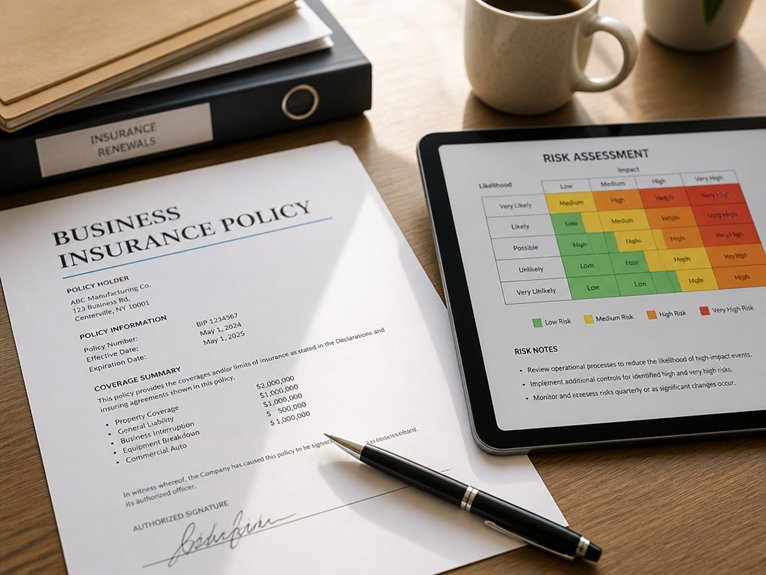
Business insurance shifts financial responsibility from owners to insurance companies. When covered events happen, the insurer pays instead of the owner. This keeps business assets safe.
A customer might slip in your store and sue. Your liability policy would cover legal fees and settlements. A kitchen fire could destroy your restaurant equipment. Property insurance would help you replace what you lost.
You pay regular premiums for this protection. The insurance company pools money from many businesses together. This spreads risk across all policyholders.
You can run your business with real confidence. Major losses won’t wipe out your operations or personal savings.
What’s Protected vs. What Isn’t
General liability insurance shields businesses from customer injuries and property damage claims. It won’t cover employee injuries, though. That’s a separate need.
Property insurance protects buildings and equipment against fire, theft, and weather damage. Routine maintenance and normal wear-and-tear? Those are on you.
Workers’ compensation handles medical costs and lost wages for injured employees. Independent contractors fall outside this coverage entirely.
Professional liability guards service providers against negligence claims. Deliberate misconduct or intentional harm isn’t included.
Most policies also exclude losses tied to illegal activities, owner negligence, war, or fraud.
Every business should read its policy documents closely. Spot the coverage limits and exclusions early. Knowing these details now keeps you from facing surprise costs later.
The Main Types of Business Insurance You Need
Every business needs a solid plan for managing risk. The right insurance policies depend on what your company actually does each day.
General Liability Insurance
This coverage handles claims when customers or the public get hurt. It also covers damage to someone else’s property. Accidents happen, and this policy keeps one mistake from sinking your business.
Property Insurance
Your buildings, equipment, and inventory represent major investments. Fires, theft, and severe weather can wipe these out overnight. Property insurance helps you rebuild and restock without starting from zero.
Workers’ Compensation
When employees get injured on the job, this coverage steps in. It pays for their medical care and covers lost wages while they recover. Most states require it once you have staff.
Professional Liability Insurance
Service businesses face unique risks. Also called errors and omissions coverage, this protects you if a client claims negligence. Even unfounded lawsuits cost money to defend.
Commercial Auto Insurance
Personal auto policies won’t cover vehicles used for work. This gap leaves you exposed if a delivery truck or company car causes an accident.
Cyber Liability Insurance
Data breaches and digital attacks keep making headlines. This newer coverage handles recovery costs, legal fees, and customer notification when hackers strike.
Finding Your Right Mix****
No two businesses need identical protection. Your industry, headcount, and daily operations should shape your choices. Review your risks honestly, then build coverage that fits.
Premiums, Deductibles, and Coverage Limits Explained
Three financial components shape your actual costs and protection: premiums, deductibles, and coverage limits.
Premiums
These are your regular payments to keep coverage active. A bakery might pay $150 each month for general liability insurance. Think of it as a subscription that keeps your policy running.
Deductibles
This is what you pay first when a claim happens. If your deductible is $500 and property damage occurs, you cover that amount. Your insurance then handles the rest.
Coverage Limits
This caps what your insurer will pay per claim. A retail store with a $100,000 limit receives no more than that, even if damages exceed it.
Finding the right balance matters. Lower premiums often mean higher deductibles or lower limits. Consider what your business can afford to pay out of pocket versus what protection you truly need.
What Happens After You File a Claim
The Investigation Begins
Filing a claim starts a review process. Your insurer looks into what happened. They check your coverage and decide what they will pay. An adjuster will be assigned to your case. This person examines the damage or loss firsthand.
Documentation and Review
The adjuster collects key items. These include photos, receipts, and repair estimates. They also review your policy details. This confirms the incident is covered. It also checks that you met all requirements. Examples include property upkeep and reporting deadlines.
Decision and Payment
Once the review wraps up, you get a decision. This outlines your approved amount. It also notes any deductibles you owe. Plus, you will see a payment timeline.
If You Disagree
Sometimes disputes come up about the claim amount. You can ask for a reconsideration. You may also file an appeal. Be sure to include supporting evidence with your request.
Why Claims Get Denied (And How to Prevent It)
Why Claims Get Denied (And How to Prevent It)
Common Reasons for Denied Claims
Insurance companies reject claims for specific reasons. Understanding these helps protect your coverage. Policy lapses, incomplete paperwork, and excluded coverages lead most denials.
A business that misses premium payments may find claims rejected outright. Waiting too long to report incidents also creates serious problems.
How to Keep Your Claims on Track
Keep detailed records of all incidents, injuries, and damages. Note dates, times, locations, and everyone involved. Review your policy often so you know what it covers. Check what remains excluded too.
Report claims quickly and follow your insurer’s procedures. Meet all deadlines they set. Stay in clear, regular contact with your agent. Fix coverage gaps early. This ensures your business has proper protection for daily operations and potential liabilities.
Choosing the Right Policies for Your Business
The right business insurance depends on your industry, company size, and daily risks. A retail store needs property and liability coverage. A construction company requires workers’ compensation and equipment protection. Service businesses often prioritize professional liability.
Assess your assets, employee count, and potential exposures. Manufacturing facilities face very different hazards than office settings. General liability covers bodily injury and property damage claims. Property insurance protects buildings and inventory from fire, theft, or bad weather. Workers’ compensation is required in most states once you hire employees.
An insurance broker can spot gaps you might miss. Review your coverage every year. Your business changes, grows, and takes on new operations. Comparing quotes from multiple insurers keeps costs down without cutting corners on protection.
Next Steps: Building Your Insurance Strategy
Once you identify the right policies, organize them into a clear insurance strategy. Document your coverage limits, deductibles, and renewal dates in one place that’s easy to access. Include provider contact information too.
Create a schedule with each policy’s expiration date. This simple step helps you avoid gaps in coverage. Set calendar reminders so nothing slips through the cracks.
Review your insurance annually, or sooner if your situation changes. Hiring new staff, expanding locations, or buying major equipment often means adjusting your policies. Your coverage needs to keep pace with your business.
Rates and offerings shift over time, so compare quotes from several insurers on a routine basis. Building a relationship with a broker or agent makes this process much easier. They can flag changes you might miss and help you find better options.
Strong records plus proactive habits protect your business year after year. A little attention now prevents costly surprises later.
Frequently Asked Questions
How Does My Business Size and Industry Affect Insurance Costs and Coverage Needs?
Business size and industry directly determine insurance costs and coverage needs. Larger companies and high-risk industries face higher premiums and require extensive policies, while smaller businesses in low-risk sectors typically need basic coverage at lower costs.
Can I Bundle Multiple Insurance Policies Together for Better Rates and Convenience?
Yes, businesses can bundle multiple policies—combining general liability, property, and workers’ compensation together. Bundling typically yields 10-25% discounts while simplifying administration, payment schedules, and claims management through a single provider.
What Documentation Should I Keep to Support Future Insurance Claims?
Businesses should maintain receipts, invoices, contracts, photographs, maintenance records, and incident documentation. Organizing these materials chronologically and storing them securely—both physically and digitally—ensures quick, substantiated claim submissions when losses occur.
How Often Should I Review and Update My Business Insurance Policies?
Businesses should review their insurance policies annually or whenever significant operational changes occur. Regular reviews guarantee coverage remains adequate, competitive, and aligned with evolving business needs and risk exposure.
Are There Tax Deductions Available for Business Insurance Premiums?
Yes, business insurance premiums are generally tax-deductible as ordinary and necessary business expenses. Companies can deduct premiums for liability, property, workers’ compensation, and health insurance. However, specific rules vary by insurance type and jurisdiction, so consulting a tax professional is advisable.
Conclusion
Business insurance requires upfront costs, yet protects companies from catastrophic losses. While premiums represent ongoing expenses, they prevent single incidents from destroying a business. Property damage, lawsuits, and employee injuries can cost thousands or millions without coverage. Insurance spreads these financial risks across many businesses, making protection affordable. Companies that view premiums as investments rather than expenses maintain operational continuity after setbacks.