
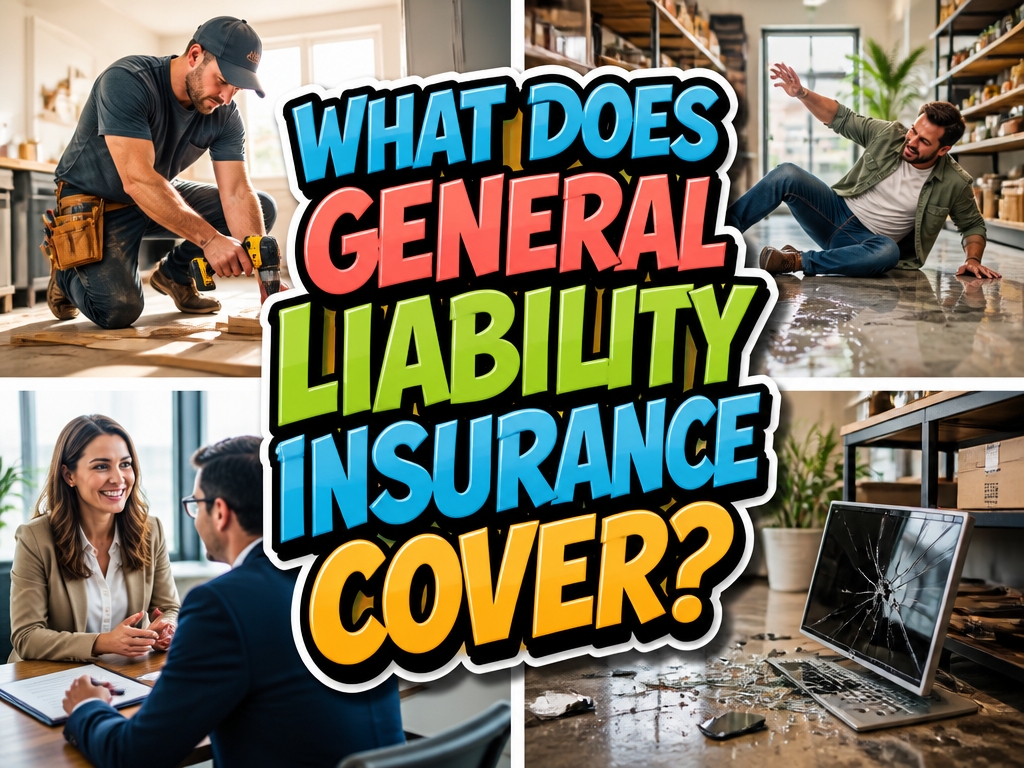
A customer stumbles on a wet tile, grabbing the counter for balance. In that split second, your business faces a potential lawsuit. General liability insurance exists for these exact moments, shielding you from the financial fallout of accidents, injuries, and property damage you never saw coming.
It’s comforting to think you’re fully protected. But many business owners discover too late that their policy doesn’t cover employee injuries, professional mistakes, or damage to their own equipment.
A contractor’s error on a client’s roof, a data breach exposing customer information, or even a libel claim from an online review could all leave you exposed.
Reading the fine print matters more than most people realize. The gaps in coverage aren’t always obvious, and insurance language has a way of hiding surprises.
Taking time to understand what your policy actually includes, and what it deliberately excludes, often makes the difference between a minor setback and a catastrophic loss. The right protection starts with asking the right questions.
What General Liability Insurance Actually Covers

General liability insurance protects businesses from financial losses. It covers bodily injuries, property damage, and personal injury claims. These incidents may happen on your premises or during daily operations.
Bodily Injury Protection
A customer slips on a wet floor and breaks their arm. Your policy steps in to help. It pays for hospital bills, treatment costs, and related medical expenses.
Property Damage Coverage
Accidents happen during service calls. You might accidentally damage a client’s equipment. General liability covers the repair or replacement costs.
Personal Injury Claims
Not all injuries are physical. Your policy also handles defamation claims and false advertising allegations. These can arise from everyday business activities.
Where Coverage Applies****
Protection extends beyond your storefront. It covers incidents at business locations and off-site work activities. Your team stays protected wherever they serve customers.
Understanding Your Limits
Each policy sets specific coverage limits. These caps affect maximum payouts for single claims. They also set annual totals for all claims combined. Review your limits carefully to ensure adequate protection.
Bodily Injury and Property Damage Claims Explained
Understanding Bodily Injury and Property Damage Claims
Bodily injury claims help when someone gets hurt. They cover medical bills, lost pay, and legal costs. This applies when an injury happens on your business property or because of your work.
A customer might slip in your store. A contractor could accidentally hit a car with their equipment. Both situations would qualify for coverage.
Property Damage Claims
Property damage claims protect against harm to others’ belongings. This includes damage at a client site. It also covers vandalism by employees or accidents during service.
Filing a Claim
Both claim types need solid documentation. You must show the incident happened, you were liable, and damages occurred. Adjusters then investigate to confirm coverage. They set settlement amounts based on your policy limits and deductible.
Medical Payments: Immediate Care Costs on Your Property
Medical payments coverage handles immediate care costs when someone gets hurt on your business property. It pays regardless of who was at fault. This coverage takes care of emergency treatment, ambulance rides, and hospital visits right away. There is no need to wait for anyone to determine fault first.
A customer who slips on a wet floor would receive help with urgent care costs immediately. Medical payments typically cover reasonable expenses up to a set limit. These limits often fall between $1,000 and $5,000 per person.
This coverage applies to customers, employees, and visitors while they are on your insured premises. Filing a claim stays simple. You just need to document the injury and keep records of medical expenses.
Medical payments coverage differs from bodily injury liability in one key way. You do not need to prove negligence occurred. That makes it a fast and practical tool for resolving minor injuries that happen on business property.
Defamation and False Advertising Claims
What These Claims Involve
Businesses sometimes face lawsuits over things they say. False statements that hurt someone’s reputation count as defamation. It can happen in writing or out loud.
False advertising means stretching the truth about your products. This could involve pricing, quality, or supposed benefits. Either way, angry competitors or customers may head to court.
How Insurance Helps
A general liability policy steps in when these claims arise. It pays for lawyers, court costs, and any settlements.
Say a restaurant promises “fresh daily” food but serves frozen items. That business could face real consequences. Or imagine calling a rival’s product unsafe without proof. That opens the door to defamation trouble.
What to Watch For
Keep in mind: insurance covers honest mistakes. It won’t protect against intentional lies or scams.
Check your policy limits too. Make sure they match your actual risk. Better to find gaps now than after a lawsuit hits.
Common Coverage Gaps and Exclusions
Many businesses assume their general liability policy covers everything. It doesn’t. Most policies contain surprising gaps that leave you exposed.
Professional services like accounting and consulting face a frequent blind spot. General liability excludes professional liability claims entirely. You’ll need separate coverage for errors or mistakes in your work.
Pollution liability creates another headache. Environmental damage almost always requires its own policy. Standard plans won’t help if you face cleanup costs or contamination claims.
Contractual liability can trip you up too. Signing agreements that assume liability may void your coverage. Always check with your insurer before committing to contract terms.
Employee injuries belong to workers’ compensation, not general liability. These are separate systems with separate requirements.
Property damage from your own workmanship gets tricky. Policies often limit or exclude this entirely. A contractor fixing a roof may not be covered if that roof later leaks.
Standard exclusions appear across nearly all policies. Intentional acts, criminal behavior, and war damage fall into this category. No surprises here, but worth noting.
Cyber liability remains outside traditional scope. Data breaches, hacking, and network damage need dedicated protection. General liability won’t touch these modern risks.
What should you do next? Review your policy carefully. Identify your specific gaps. Then talk to your agent about supplemental coverage options.
Choosing the Right Coverage Limits for Your Business
Selecting Appropriate Coverage Limits
Start by matching your policy amounts to real risks your business faces. Coverage needs vary widely by industry.
A small consulting firm might need $1 million in bodily injury protection. Construction companies with bigger projects usually need $2 million or more.
Evaluate your industry, clients, employee count, and past claims. These factors shape your ideal limits.
Standard Coverage Options
Common per-occurrence limits include $300,000, $1 million, and $2 million. Annual aggregate limits cap total yearly payouts. These need attention too.
Underinsurance leaves you financially exposed. Too much coverage drains money through needless premiums.
Getting Expert Help
An insurance agent can pinpoint the right thresholds for your situation. They’ll factor in your operations and any requirements from clients or lenders.
How to Find and Compare Policies That Fit Your Risk
Finding Policies That Match Your Risk
Start by gathering quotes from several insurers. Compare coverage types, deductibles, and premiums side by side. Online tools make this faster. You can evaluate multiple providers at once.
Pay close attention to two details. Exclusions show what a policy won’t cover. Endorsements add extra protections you might need. A retail store may want product liability coverage. A consulting firm probably needs professional liability instead.
Checking Insurer Reliability
Look up customer ratings before you decide. Check financial stability scores too. Agencies like A.M. Best offer these ratings. They help you spot trustworthy insurers.
An insurance broker can also help. They know industry-specific risks. They’ll work within your budget. This gives you personalized guidance without the guesswork.
Frequently Asked Questions
Does General Liability Insurance Cover Employee Injuries or Workers’ Compensation Claims?
General liability insurance does not cover employee injuries or workers’ compensation claims. These require separate workers’ compensation insurance. General liability covers third-party bodily injury claims, property damage, and personal injury incidents involving non-employees.
What Is the Difference Between General Liability and Professional Liability Insurance?
General liability covers bodily injury and property damage claims from third parties. Professional liability, also called errors and omissions insurance, protects against claims of negligence, mistakes, or inadequate work by service providers.
Can I Increase My Coverage Limits After an Incident Occurs?
Like closing the barn door after the horses escape, increasing coverage limits after an incident typically proves impossible. Insurers generally prohibit retroactive limit increases, requiring businesses to request changes during renewal periods or before claims arise.
How Do Deductibles Affect My General Liability Insurance Premiums?
Higher deductibles lower insurance premiums, as the policyholder assumes greater financial risk. Conversely, lower deductibles increase premiums. Insurers reduce rates when customers agree to pay more out-of-pocket for claims.
Will My Policy Cover Damages From Natural Disasters or Weather Events?
Like a ship designed for calm waters, general liability insurance typically excludes natural disasters and weather events. Standard policies cover business-related incidents, not acts of nature. Separate property or specialized coverage is needed for weather damage.
Conclusion
Businesses face unpredictable financial risks daily. General liability insurance addresses many, yet gaps remain. Coverage protects against bodily injury, property damage, and medical costs, but excludes professional services and pollution claims. The critical question becomes: does your chosen limit adequately protect your specific operations? Comparing policies, understanding exclusions, and matching coverage to your business size determines whether protection proves sufficient when claims arrive.