
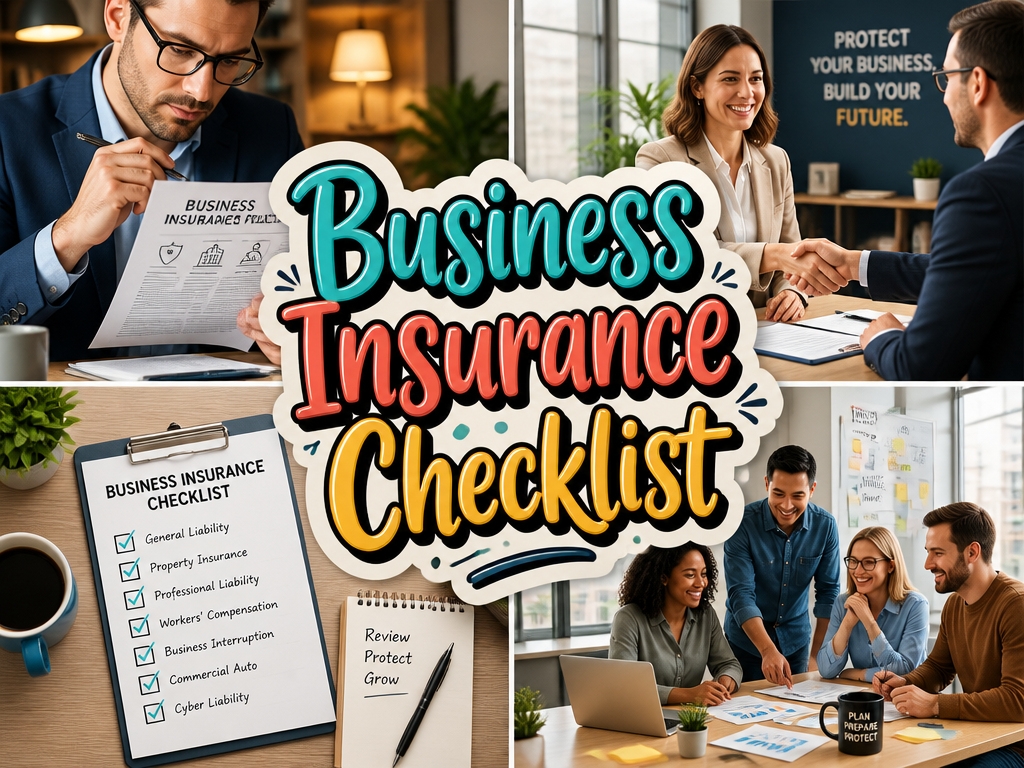
Morning light spills across a desk cluttered with spreadsheets and coffee rings. Somewhere between the profit projections and vendor contracts, business owners often realize they’ve forgotten something crucial: protection against the unexpected.
Different ventures carry different vulnerabilities. A boutique owner worries about inventory damage and customer slips. A consultant loses sleep over potential errors in client advice. The construction crew down the street faces entirely different fears. Workers’ compensation becomes essential the moment you hire your first employee, just as professional liability matters the moment you offer expertise for pay.
Matching coverage to your actual risks takes honest assessment. What regulations govern your industry? What assets could sink you if lost?
The right insurance isn’t about checking boxes; it’s about sleeping soundly because you’ve addressed the gaps that matter to your specific operation.
Match Your Insurance Needs to Your Business Type
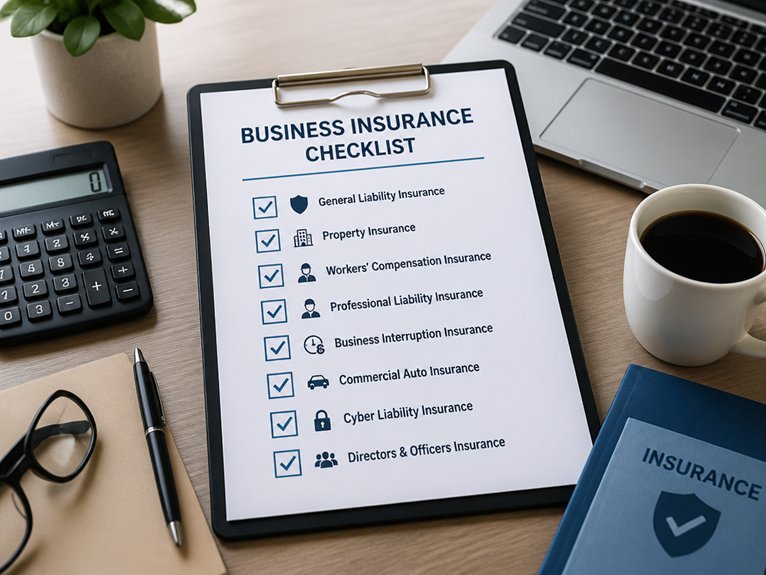
Different businesses face different risks, so insurance needs vary widely. The type of work you do determines what coverage matters most.
Retail stores need general liability coverage. This protects against customer injuries and property damage claims on your premises.
Construction companies have unique needs. Workers’ compensation, equipment coverage, and job site liability protection are all essential.
Healthcare providers require professional liability insurance. Many know this as malpractice coverage, which addresses medical errors and patient disputes.
Tech companies often prioritize cyber liability insurance. This covers data breaches and network attacks that could devastate your operations.
Manufacturing businesses need product liability coverage. This protects you if your goods cause harm to customers.
Service companies like plumbing or electrical work typically need general liability and workers’ compensation. These cover both customer incidents and employee injuries.
Identifying your specific industry risks helps you get adequate protection. You won’t pay for unnecessary coverage when you understand what you actually need.
Evaluate your operations, employee count, and potential liability exposure. Then select policies that fit your situation.
General Liability Insurance: Your First Line of Defense
General liability insurance protects businesses from claims that come up during normal operations. It covers customer injuries, property damage, and bodily harm. This applies to accidents on your premises or while you’re delivering services.
Common incidents include a customer slipping on a wet floor. A contractor might accidentally damage client property. A client could also have an allergic reaction to a product you sold. Medical expenses, legal fees, and settlement costs all fall under this protection.
Most businesses need this coverage before they can even open their doors. Retail stores, restaurants, salons, and consulting firms all depend on this foundational policy. The coverage typically includes legal defense costs. This holds true even when claims turn out to be groundless. That’s what makes it essential for managing risk at any business.
Property Insurance: Protecting Your Assets and Equipment
Your business assets matter. Buildings, equipment, inventory, and furnishings all carry real financial weight. Property insurance helps shield these investments from harm.
This coverage typically handles damage from fire, theft, severe weather, and vandalism. Retail stores can protect shelving, displays, and merchandise. Manufacturing plants gain coverage for machinery, raw materials, and finished products. Office spaces benefit from structural and contents protection alike.
Getting Your Coverage Right
Smart documentation makes claims smoother. Photograph your assets and keep those receipts handy. Your coverage limits should reflect true replacement costs, not depreciated values.
Watch for exclusions in your policy. Some equipment or inventory types may sit outside standard coverage. Riders and endorsements can fill those gaps for high-value items. Check your policy regularly, since inventory levels and equipment needs shift over time.
Workers’ Compensation: Coverage for Employee Injuries
Workers’ compensation insurance protects businesses with employees. It covers medical bills, rehab costs, and lost wages for work-related injuries or illnesses. State rules differ, but most require coverage once you hit a certain headcount.
This policy helps everyone involved. Workers get treatment and income replacement without court battles. Employers avoid expensive lawsuits from workplace accidents.
Your industry affects what you pay. Payroll size, claims history, and safety record also matter. Construction firms pay more than offices because injuries happen more often.
Check your coverage limits each year. Keep good incident records on file. Strong safety programs can bring your premiums down.
Professional Liability Insurance: Protection for Service Providers
What It Covers
Professional liability insurance helps service providers when clients claim poor work, negligence, or unfulfilled promises. Consultants, accountants, architects, and designers often need this protection.
The policy covers legal fees, settlements, and judgments. It also includes defense costs and damages up to your policy limits.
Finding the Right Fit
Service providers should look at their industry standards, contract terms, and client expectations. A financial consultant needs more coverage than a graphic designer.
Policies differ based on profession and business size. Review exclusions, deductibles, and claim reporting rules closely.
Many clients now ask for proof of coverage before hiring. This makes professional liability insurance a must-have for running your business.
Commercial Auto Insurance: Mandatory Coverage for Business Vehicles
Most businesses need this coverage for vehicles on public roads. It handles liability claims, medical bills, and property damage from accidents.
Companies typically need three types of protection. Liability coverage pays for injuries and damage to others. Collision coverage handles repairs to company vehicles. Comprehensive coverage covers theft, vandalism, and weather damage.
How Requirements Vary
State rules differ based on vehicle type, industry, and annual mileage. Delivery services, construction firms, and sales teams often need higher limits than other businesses.
Consequences and Best Practices
Skipping adequate coverage brings fines, license suspension, and legal exposure.
Review policies once a year. Adjust limits as operations and risks change.
Cyber Liability Insurance: Defense Against Digital Threats
Nearly every business stores sensitive data on computers and networks. Customer information, financial records, and proprietary files live in digital spaces. This reality brings real risks. Data breaches can strike any organization, large or small.
What This Coverage Handles
Cyber liability insurance steps in when breaches occur. It pays for customer notifications, legal fees, and credit monitoring. Coverage also extends to ransomware demands, malware repairs, and unauthorized access incidents.
A retail breach affecting 10,000 customers creates massive costs. Notification and remediation expenses add up fast without proper protection.
What’s Typically Included
Policies cover forensic investigations to find what went wrong. They handle regulatory fines and business interruption losses too. Each component addresses a different pain point after an attack.
Who Needs Protection
Small businesses often skip this coverage. They assume criminals only chase big targets. This mistake leaves them exposed. Attackers actually prefer smaller operations with weaker defenses.
Any business handling payments, health records, or employee data needs this insurance. Modern threats evolve constantly. Solid protection belongs in your essential toolkit.
Umbrella Insurance: When You Need Extra Protection
Sometimes a lawsuit costs more than your standard policy allows. Umbrella insurance steps in with extra liability coverage. It activates when medical, auto, or property claims go past your primary limits. Your business assets stay protected from major financial harm.
Coverage amounts usually start at $1 million. They can reach $5 million or even higher. These policies work across several insurance types. Think general liability, auto liability, and employers liability.
Picture this: a customer gets hurt at your store. Their medical bills hit $500,000. But your general liability only covers $300,000. Your umbrella policy pays the remaining $200,000.
Who needs this coverage most? Businesses with lots of assets top the list. Companies with many employees also benefit. The same goes for firms facing higher accident risks.
Best of all, premiums stay fairly reasonable. You get strong protection without breaking the bank.
Frequently Asked Questions
How Much Business Insurance Coverage Do I Actually Need for My Company?
Business insurance coverage depends on company size, industry, assets, and liabilities. Most businesses need general liability, property, and workers’ compensation insurance. Consulting an insurance professional helps determine specific coverage amounts based on individual risk factors.
What Are the Typical Costs and Factors Affecting Business Insurance Premiums?
Business insurance premiums typically range from $500 to $5,000 annually. Key factors include industry risk level, company size, employee count, claims history, coverage type, location, and safety protocols implemented by the organization.
Can I Bundle Multiple Policies Together for Better Rates and Convenience?
Yes, bundling multiple policies together typically offers significant cost savings and administrative convenience. Insurers commonly provide discounts when clients combine general liability, property, workers’ compensation, and other coverage types into extensive packages.
How Do Insurance Deductibles Work and Which Amounts Should I Choose?
A deductible represents the amount a business pays out-of-pocket before insurance coverage begins. Lower deductibles mean higher premiums; higher deductibles reduce premiums. Businesses should choose amounts balancing affordability with risk tolerance.
What Common Exclusions and Limitations Should I Watch for in Policies?
Common exclusions typically include wear and tear, intentional damage, and employee dishonesty. Limitations often restrict coverage for natural disasters, pre-existing conditions, and contractual liabilities. Policyholders should carefully review these restrictions to avoid unexpected gaps in protection.
Conclusion
Completing a business insurance checklist acts as a financial safety net, shielding operations from unexpected losses. Like reinforced walls protecting a fortress, thorough coverage—general liability, property, workers’ compensation, cyber liability, and others—guards assets and employees. Regular policy reviews guarantee protection remains current and adequate. Businesses that systematically address insurance needs demonstrate financial responsibility, reduce vulnerability to claims, and maintain stability through uncertain circumstances.